

NARITO ang mga paliwanag ni Secretary Ted Herbosa ng Department of Health sa mga tinanong ni Senator Bam Aquino ng Department of Health sa ginanap na budget hearing ng DOH para sa 2026.
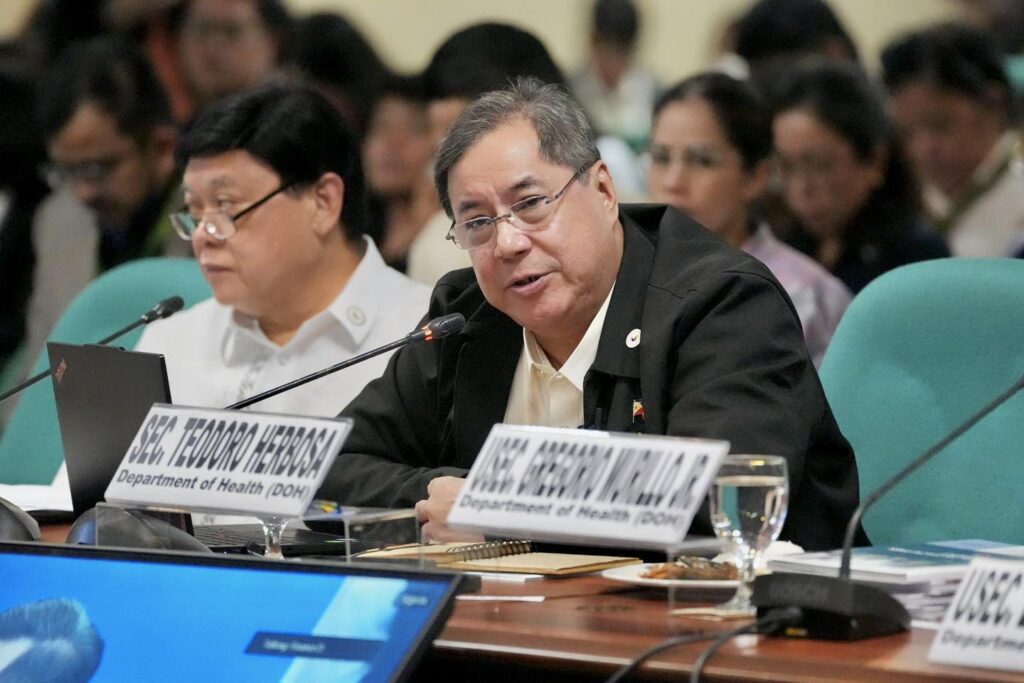
Sen. Aquino: My questions are for Secretary Herbosa. Sir, magandang hapon.
Sec. Herbosa: Magandang hapon, Senator.
Sen. Aquino: Let’s talk about no-balance billing. Nasaan ang no-balance billing para sa mga kababayan po natin? Do they or do all the DOH hospitals provide no-balance billing? Sino po yung mga pwede mag-avail ng no-balance billing? Para malinaw po tayo sa taumbayan.
Sec. Herbosa: Madam Chair, let me clarify now, the no-balance billing was an older program. The older program, the no-balance billing were the indigent patients. So para mag-qualify ka sa no balance, kailangan magdaan ka sa Medical Social Service and qualify as an indigent. That means nasa listahan ka ng National Household Targeting System. And then pag na-admit ka sa hospital, no-balance billing ka, PhilHealth lang. So that was the old program. What we did now is the zero balance billing.
Sen. Aquino: Okay.
Sec. Herbosa: So this is an implementation of the UHC Act. Technically, ang basis namin dito is the UHC law, anong provision ‘yun, wherein pag nag-admit ka sa basic accommodation, wala ka nang babayaran. So whether you are rich or poor, you don’t have to prove you are indigent. All you have to be is admitted in basic accommodation in the DoH hospitals.
Sen. Aquino: Right. So, Secretary, to be clear, so I made a mistake. Hindi siya no-balance billing. Zero-balance billing. So sa ZBB, kapag pumasok ako sa hospital, and I am in the basic accommodations, or ito yung ward, ‘no?
Sec. Herbosa: Ward, ward. Shared accommodation.
Sen. Aquino: Shared accommodation, wala na akong babayaran.
Sec. Herbosa: Correct.
Sen. Aquino: Okay. So first question, iba po ba ang level of healthcare mo kung nasa ward po kayo or parehas ang level of healthcare mo?
Sec. Herbosa: Hindi po. Pareho lang because the doctors and the nurses are the same. What we have are all the hospitals, eighty-three hospitals, ninety percent of their beds are basic accommodation. Only ten percent are single room or two in a room na private or pay. Yung pay, we developed the pay service for our retention of the consultants of the doctors. Because if they don’t have, they’re not allowed to practice, aalis sila sa government at pupunta na lang sila sa private. Yung ten percent lang na pay.
Sen. Aquino: Yes, so I want to zero in ito sa zero-balance billing. So this is all the DOH hospitals.
Sec. Herbosa: Yes, all
Sen. Aquino: What about the LGU-run hospitals?
Sec. Herbosa: That’s another budget source. Kasi nga, hindi namin alam ang budget source ng local government, because it’s the local government that funds the provincial and the district hospitals, and also for the cities, the city hospitals. But I know for a fact before we started zero balance, Sultan Kudarat was already zero balance, South Cotabato, Bataan, Pampanga. So there are provinces that have already implemented, similar to us na hindi, hindi naniningil ng pasyente.
Sen. Bam: Okay. So my first suggestion, Secretary, gaya nang sinuggest ni Senator Bong Go, hindi kasi alam to ng tao.
Sec. Herbosa: Hindi pa, hindi pa.
Sen. Bam: Hindi di ba? So pwede bang i-publish po ninyo ano yung mga hospital na mayroong zero-balance bill? At paano to ma-avail? So paano to ma-avail, kailangan kayo sa shared accommodation. Tama po, di’ba?
Sec. Herbosa: Tama po.
Sen. Aquino: Kutob ko po, hindi to alam ng taumbayan. I don’t think they know that this is available to them already. Okay.
Sec. Herbosa: Pansin ko nga po. Sa social media, maraming hindi naniniwala up until ma-admit sila at nakikita nila, wala silang babayaran.
Sen. Aquino: Okay. Ito rin yung isang suggestion ko, para rin po malinaw. Kapag in-admit po sila, dapat klaro rin po dun sa hospital, “Ma’am, kung gusto niyo po nang libre, ito po yung mga patakaran.” Because ang nangyayari, yung bill comes later at nagkakagulatan, di ba? Siyempre po, kung may kamag-anak kang may sakit, or ikaw mismo may sakit, you will choose the better accommodation not knowing kung magkano yung babayaran mo in the end, di’ba? Possible po kasing lumobo yan eh, depende sa papaayos po sa inyo o papaopera sa inyo. But I’m sure if more of our countrymen knew na may option na libre, which I think is very important. Mahalaga po ‘yan, na may option na libre yung mga kababayan po natin. Marami pong pipili ng option na libre. And I think right now, yung information ay hindi ho malinaw. So my first suggestion, sana po, mamaya, i-publish niyo na po, may mga communications group naman ho kayo, ano yung hospital na may zero-balance billing? Paano makaa-avail ng zero-balance billing, no? That’s my first suggestion, okay?
Sec. Herbosa: Mr. Chair, I’ll just answer that. Nasa ating website and Facebook. In-announce namin. The moment the president announced, sinabi namin yung… In fact, ang ginagawa ko pag, sabi ko, pwede ba baguhin na ng mga DOH hospital ang pangalan nila? At gawing DOH JB Lingad Memorial Hospital. Para malaman nang tao
Sen. Aquino: Para alam kung ano yung may zero-balance billing.
Sec. Herbosa: Oo. Kasi pag DOH siya, may pangalan DOH sa harap, eh, uh, malalaman ng tao, ‘yan yung kasali sa zero balance. Pangalawa, gumastos na rin kami sa communications namin. May ads na kaming sa TV explaining the zero balance.
Sen. Aquino: Take note, Secretary, it’s all the DOH hospitals, ha? Kasi yung unang lumabas, parang anim lang ata o pito? Ngayon po, you’re saying all DOH hospitals?
Sec. Herbosa: All. It’s ever, all, ever since it was all.
Sen. Aquino: Sige po.
Sec. Herbosa: Ang question was the corporate hospitals, kung kasali sila or hindi. So sa corporate hospitals, heart center, lung center, kidney center, iba ang distribution. Seventy percent basic accommodation, thirty percent private. So mas madami ang private rooms ng heart center, lung center, kidney
Sen. Aquino: Yes, but if I avail of the basic accommodation i
Sec. Herbosa: Zero
Sen. Aquino: Zero pa rin?
Sec. Herbosa: Zero po.
Sen. Aquino: Okay, so lilinawan po natin ha. Lahat ng DOH hospital, I’m sure may listahan po kayo niyan. These are the provincial, No. These are the DOH hospitals per area. Regional hospital. Meron po iyan one per province mostly.
Sec. Herbosa: There are only 42 provinces with DOH hospitals, 40 have none. So they’re in the regions. Some regions have two or three hospitals.
Sen. Aquino: Okay. So yung specialty hospitals po natin, Heart Center and NKTI, PCMC and Lung Center. And our DOH Hospitals, Zero Balance Billing po iyan.
Sen. Herbosa: Yes. Yes.
Sen. Aquino: Correct. Pero kailangan, hindi charity ward. Kailangan, shared accommodation ang sasabihin.
Sec. Herbosa: So we’re trying to get away from the name charity ward kasi binayaran ng PhilHealth eh.
Sen. Aquino: Hindi siya charity. Galing siya sa taxes ng tao. ‘di siya charity.
Sec. Herbosa: Yes, the government paid for them.
Sen. Aquino: So I suggest po na we publish this para malinaw po siya unang-una.
Sec. Herbosa: We’ll do that, Senator.
Ano ang MAIFIP?
Sen. Aquino: Pangalawa, ito pong nabanggit ninyong Zero Balance Billing, tama po ba? 30% PhilHealth, 30% , MAIP… By the way, is it MAIP or MAIFIP?
Sec. Herbosa: MAIFIP is the new name.
Sen, Aquino: MAIFIP is the new name. Okay.
Sec. Herbosa: The old name was MAIP.
Sen. Aquino: Okay, and 40% MOOE. Tama po ba iyon?
Sec. Herbosa: Tama po iyon. This is only from our studies of the two months implementation. So I’m getting monthly reports from all the hospitals. And then we tried to analyze the costing. Kasi when we implemented this, we did a trial in May before the president implemented it, kung kaya ng MOE na. So we also included it in the NEP. In the NEP, if you noticed, DBM increased our MOOE of hospitals by 15%. Kasi yun din na nakita namin, 15 to 20% increase of consultations in the admissions in the hospital. So para ma-cover namin yung cost na iyon.
Sen. Aquino: Okay. Ung tanong ko po is about the MAIFIP, no? Si MAIFIP is your program for indigents. Ano po iyang role ng legislator sa MAIFIP? Yes, honest answer.
Sec. Herbosa: MAIFIP is a fund. And because it’s a fund, if you ask me, it looks like a pork barrel fund. Because it’s placed there and added. In fact, what happens is every year we request for a certain amount. And every year when we get the GAA, it is more. So the fund…
Sec. Herbosa: So the sensitivity in the issue is how the fund is utilized. And that’s why I’m being asked, what is the role of the legislature? Technically, a fund should actually be worked on by the legislators during the budget process. Like now, you tell us how much we need to implement, let’s say, Zero Balance, and we give a proposal, and then that’s what the legislator… And if they feel they want to put more, “O lang iyan, mali estimate niyo. Dadagdagan niyo.” Which is what happens. What happens after the GAA is passed is that the executive also is given allocations for use of the fund. So that means, uh, certain persons are given funds. Some will are given allocation, say, you use that whatever you like for all the indigent patients in my district or whatever. Some will ask for the individuals needing assistance. This is the GL, the guarantee letter. They have to go through an office of a politician to get the guarantee letter. And then that is given to, to us to charge against the MAIFIP funds. So yun yung process. And that is the one why the president and I implemented the Zero Balance because we didn’t want people to go through a legislature’s office to get medical assistance.
Sen. Aquino: Okay, I agree with that Secretary. Sa tingin ko hindi na dapat kailangan pumunta sa mga opisina namin para magkaroon ng Zero Balance Billing because earlier you mentioned na 30% is from MAIFIP. Kung wala pong kilalang legislador yung pasyente, does that mean 70% lang yung maka-cover sa kanyang Zero Balance Billing?
Sec. Herbosa: Hindi. Kasi meron din ng DOH na, na freely used for these patients. And then we also have revenue.
Sen. Aquino: Okay. So hindi lahat ng MAIFIP ay dumadaan sa mga legislators?
Sec. Herbosa: Hindi lahat.
Sen. Aquino: Meron po ang DOH.
Sec. Herbosa: Meron, meron rin po sa Department of Health.
Sen. Aquino: And in your estimation, i- hindi kaila- kasi ang worry ko po is baka… Yung kunwari, yung pasyente, wala pong kilala sa aming, wala pong kilalang congressman, di po kaibigan ng mga politiko, gusto ko lang po masigurado na Zero Balance Billing pa rin siya. So is that the case, na Zero Balance Billing?
Sec. Herbosa: Yes. That’s the case. So we are using the MAIFIP now as a support fund for the kakulangan ng MOOE at kakulangan ng benefit packages ng PhilHealth. We are also thinking now of using it to help support us kasi sabi niyo kanina, puno. You go to a DOH hospital, it’s full. So my idea is to tie… asking my hospital directors to tie up with LGU hospitals. And then give the patients, our excess patients na kaya nila, i-tatransfer namin sa kanila pero bibigyan namin ng support from the MAIFIP as Zero Balance. So ung concept na to, ito yung letter namin stating a line item that says. LGU support fund for ZBB implementation. So we want the LGU, mas marami ‘ko kasi yung LGU hospitals.
Sen. Aquino: Siguro ito pong usapin ng public health finance, talagang masalimuot po ito. But maybe we can begin with the end in mind. Unang-una, ang gusto ho natin, mga kababayan natin, may mga hospital na mapupuntahan na wala silang babayaran. I think that’s really the first at, since you’re implementing this, uh, Secretary, that’s good news, no? Mahalaga na lang na malaman ‘to ng taumbayan. Pag dinagsa na po kayo, sana kaya pa rin ang budget natin. Kasi I know after the SONA, dinagsa ‘yung ibang hospital nu’ng binaggit ‘yung, uh, zero balance billing, no? So I hope your budget can, can, can maintain that.
Sa mga kababayan nating hindi magsi-shared accommodation, hinahanap po nila sa PhilHealth tulong na substantial, ‘no? Hindi lang po 27,000 or 34,000, pero sana a certainty na may porsyento ng bill ko na kayang kargahin ng PhilHealth. Whether I’m in a private room in a government hospital or I’m in a private hospital, yung assurance. Palagay ko po, ‘yung isang problema rin kase, gulatan eh, pagdating sa hospital bill, ‘no? Wala tayong, di natin alam kung ano ba talaga yung posible mangyari. So, I would suggest, Secretary, sa una pa lang sabihin na, fusto niyo po ba nung libre? Dito po tayo. Ito po yung patakaran. Kung ito pong gagawin ninyo, ito po marahil yung magiging babayaran po ninyo. And it becomes clearer, Secretary, kasi yung mga ganyang cases naman, may average amounts naman tayo, ‘di ba, for how much those cases cost? Kung nabalian, kung may kailangan gawin sa puso or may transplant. Alam n’yo na po ‘yan, ‘di ba? You know the average costs. So alam nung tao, kung gusto ko ng libre, ito yung gagawin ko. Kung gusto kong private accommodations, ito yung babayaran ko. Kung magpa-private hospital ako, ito yung babayaran ng PhilHealth. I don’t think that’s being done now, ‘no, Dr. Mercado? Na sa una pa lang, alam nang taong more or less, ito yung porsyento na kakargahin ng PhilHealth? Hindi po ‘no?
Mercado: Uh, meron po kaming ACR, ano app na makikita. Pero talagang kung there’s no two, two cases na pareho po, eh. May variability po, eh. But, yung more or less naman, makukuha mo yung main, ano, averaging out. so yun po yung aming-
Sen. Aquino: Of course, it’s not an exact number. Pero yung estimate po niyan, usually, kunyari mangang anak yung asawa ko, magtatanong ka doon sa PhilHealth, ‘Ay ma’am, siguro po, mga ganito yung maku-cover diyan. Hindi naman siya eksakto, pero more or less alam nung tao kung magkano yung tulong ng PhilHealth, and we can work on increasing that support, ‘di ba? As the years go on, palakihin yung support na ng PhilHealth for those other cases. Then sa DOH naman po, as tumataas yung budget ninyo, pagandahin natin yung makukuha accommodation sa mga shared accommodation. Maybe in the future, kapag mas may pondo kayo, pwede na rin private, mag-zero balance billing pa rin. That’s a… just a function of funding, ‘di po ba, Secretary?
Sec. Herbosa: Yes, Madam Chair. Uh, actually, more than 50% of the 83 hospitals ang basic accommodation po air-conditioned na. Tapos maganda talaga because of the increased funding over the years. Ang kulang lang natin talaga is capacity. So, mako-contain natin yung budget sa financing because limited yung beds ng 83 but we are trying to expand the program by cornering the LGU hospitals through that fund. Sabi ko nga, instead of MAIFIP, baka dapat zero balance billing strategic support funds na iba-bayad ko doon sa LGU na tatanggap yung excess capacity mo.
Magagamit nyo yung hospital niya public funded. And then pati private, because private has to be given a license as ten percent charity beds. Technically, that’s government beds when we allow you a license. So if you’re a five hundred bed hospital, fifty beds dapat diyan, pwede ko rin silang bayaran through that fund if a patient is transferred from our hospital dahil hindi namin ma-admit, lilipat namin sa private, we- and then babayaran ng government yun.
Sen. Aquino: I would suggest, Secretary, pag pinublish nyo na, uh, DOH Region… kunyari Region Three hospital, 1,000 beds ang zero balance billing. Kunyari private hospital,50 beds ang zero balance billing. Para alam nung tao. Tapos may tracker pa kayo. Nakikita ninyo online. Nakikita ninyo kung napupuno ba yung mga shared accommodation o hindi, para alam rin ng tao saan siya pupunta. And then tayo rin, dahil namo-monitor po nito na laging puno, popondohan natin para dumami yung beds. Di ba? I think this is a good route to undertake, especially that you’re already doing it. Mga suggestions lang po ito. Panghuli…
Sec. Herbosa: So this is the idea of this is to navigate the patients. So we want to know where the beds are vacant. So it’s called the triage endorsement and disposition beds. So the idea is pag nasa emergency ka, hindi ka ma-admit doon sa DOH hospital na yun. Hahanapin namin yung ibang beds na available sa DOH hospital na may basic accommodation.
Sen. Aquino: Opo. I’m suggesting though, Secretary sa publiko. Simplified lang. Alam nung mga tao kung nasaan to.
Sec. Herbosa: So, we will do that. Kaya maganda yung suggestion nyo kasi it’s aligned with what we’re trying to do. And then pasama narin naming yung LGU and the DOH, the private. Maganda po yun. Teknolohiya yung maganda, nakikita pa sa phone. Para hindi na nagpalipat-lipat iyong pasyente.
Sen. Aquino: Exactly. So unang-una, palipat-lipat po yung pasyente. Kawawa po talaga. Pangalawa, yung kawawa rin po ay pipila talaga sa mga opisina po namin. Hihingi ng tago twenty thousand kasi yung bill niya two hundred thousand. Hindi ho dapat ganon eh. Kung meron na ho tayo ng ganitong programa, dapat yung hospital should be able to, to pay for it already. Di ho kailangan dumaan po sa amin. And, and that’s, that’s my position. I think many senators may also feel that way na, if the DOH is well-equipped, they should just go to you and kayo na dapat yun. Now, ang tingin ko pong role ng legislator, pwede kaming mag-refer. No? Kasi ang marami po talagang, I’m sure, kay Senator Go lang baka 100 ang nakapila po sa labas ng opisina niya. Sa amin po, we refer it to you. Kayo po yung mga doktor. Kayo po yung mag-assess, di ba? And, uh, if there’s some other fund that we can draw upon to support our countrymen, popondohan ho namin yan. Lalakihan pa po namin yan. But, it shouldn’t be healthcare will only be received kung merong kakilala. Yun ho yung ayaw po namin, ayaw ko, na makakakuha ka lang ng healthcare dahil may kakilala ka. Dapat dahil Pilipino ka, makakakuha ka ng tulong. And if the legislators or the local governments, if our help is to refer, dapat po at the end of the day, kayo pong implementing agency, kayo po yung nagpapatupad ng mga pondong ito. Yun lang po, Mr. Secretary, as a suggestion po sa inyo.
Sec. Herbosa: Thank you for the wonderful suggestion. And I, I’d like to explain also that in health financing, kailangan din nating yung private sector. Like for example here in the Senate, naka-HMO yung mga empleado. So may PhilHealth na sila, may HMO sila, and then they have access to you if they need help. So I hope that this kind of access to all of the separate funds will be available to all Filipinos. Like in Singapore, pag pumasok ka sa hospital, hindi social worker ang titingin sayo, fund manager. Titingan nyang yung insurance mo at sasabihin niya sayo, Ah, kaya mo lang basic accommodation. Ah, di ba? Pwede kang magpa-admit sa single room kasi may HMO ka, eh. That can pay for the HMO. So parang dapat umalis tayo doon sa… Datin kasi indigent, kaya social worker. Dapat yun siguro finance manager yung information sa hospital. Sasabihin nila, Sorry ho, sa basic accommodation lang kayo. Kayo, may income, income tax mo malaki, pwede kang mag-pay,” para hindi ka nang makipaglaban doon sa ano. So the rich will get the single room, the poor will get the basic accommodation. That’s equity for me. Parang that’s the direction of universal health coverage, magkakaroon tayo ng equity sa financing. Ganun din naman sa school, eh. If you have children, hindi mo papasok sa public school. Papasok mo sa private school. Nagbabayad ka. May bayad pang hanggang VAT yun, eh. Every time I pay tuition for my children, may VAT pa yan. So… But I’m giving up a slot for a public school indigent to be able to enter. So I’m looking at universal health care na parang ganun. Hindi mawawala ang private, the private will be there. It’s fifty-four percent now. But I’m hoping in the future we can expand as we become successful with this financing. The next step is expand na the public health system (inaudible).
Sen. Aquino: And to expand the ability of government to occupy the, the shared accommodation space in the private…
Sec. Herbosa: No, no secretary of health implemented. And I don’t know how it will be accepted by the private hospitals kasi ginagamit nila iyon. But we never monitor that. But now with UHC, I’d like to monitor that and see if the private hospitals are really giving us. Some have offered after I did zero balance. Sabi nya, Ted, papatayo din ako ng PhilHealth ward, para PhilHealth only. So it’s also generating some kind of buzz in the private sector. In fact, when we raised the dialysis to six thousand three hundred fifty from two-five, dati punong-puno yung mga dialysis center ng gobyerno kasi yun lang tumatanggap ng no-balance na two-five. Now at six thousand three fifty, wala pong mabiling dialysis machine kasi lahat nung private sector nagbilihan ng dialysis machine at pinatanggap nila lahat. When we did the five hundred thousand for heart attack, sa Medical City, sabi sa akin, “Jeepney driver nag-heart attack, in-angioplasty nila.” Tanggap na lang nila yung five hundred thousand ng PhilHealth. So if we can generate PhilHealth’s capacity, we don’t even have to build more hospitals on the government side. We just ask the private sector to take care of our patients who have both HMO and PhilHealth. So yung feeling ko, we’re getting there. We’re getting to the universal health care law as we go with this health financing.
Sen. Aquino: Thank you, Chairperson.

